How to size a football kit for a whole squad without getting it wrong
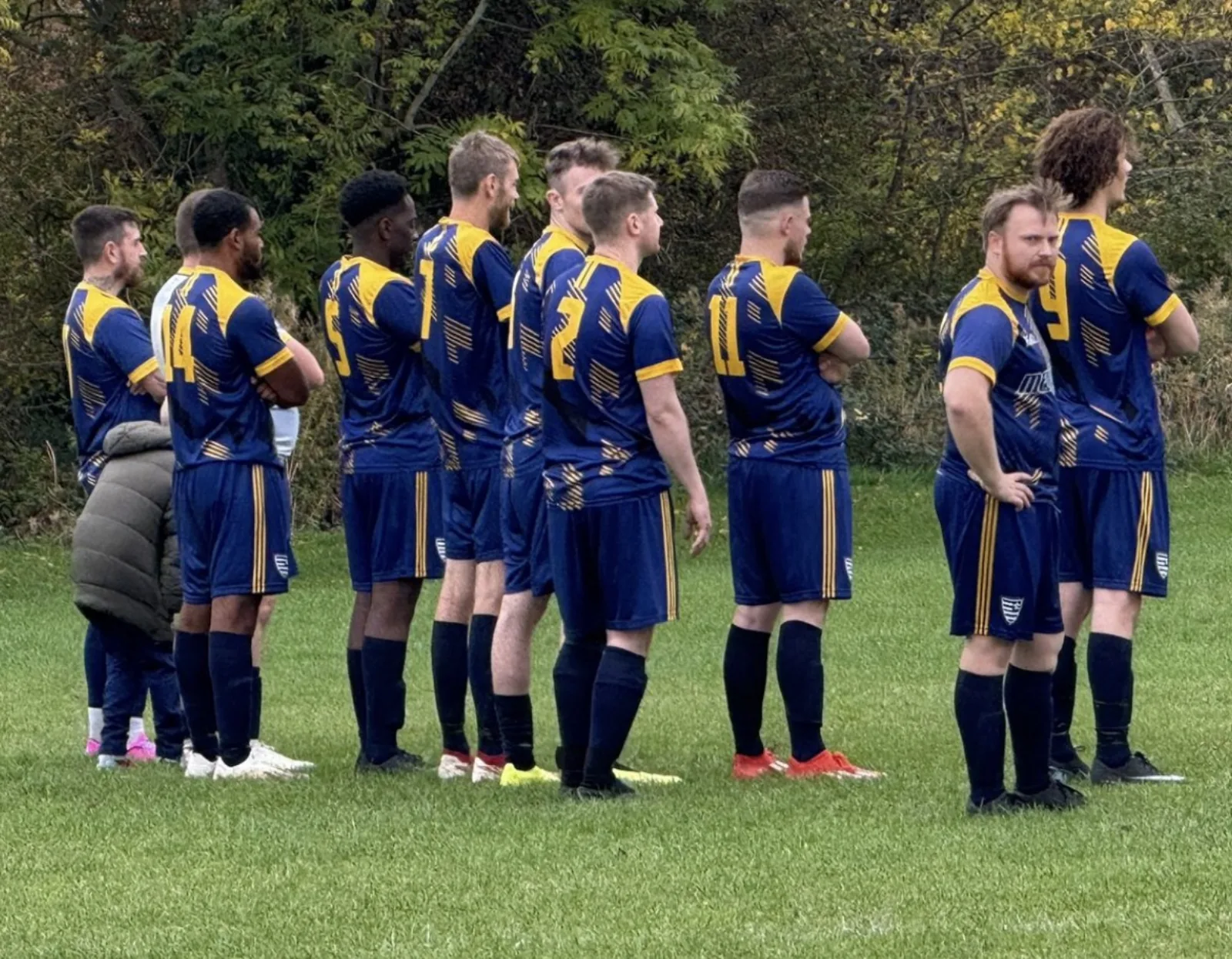
Almost nothing else goes wrong with a custom kit. The colours come out right, the badge looks sharp, the numbers are where they should be. Then the box arrives, and three lads say theirs is tight. Sizing is the one part of the process that reliably catches clubs out, and it's the one part that's genuinely on both of us to get right.
Why your XL isn't everyone's XL
There is no standard. A large from one manufacturer is a different garment from a large at another, and football shirts are cut tighter than the high-street clothes your players are judging themselves against. Someone who buys an XL t-shirt is not automatically an XL in a match shirt.
On top of that, sublimated football shirts are usually cut closer to the body than a replica from a club shop. That's deliberate — it's a playing garment — but it means a player who wears a roomy replica will find the same nominal size feels different on.
This is why "everyone just tell me your size" produces a bad order. You're collecting what people think they are, measured against a completely different set of clothes.
Run the sizing round properly — it takes one evening
The good news is that doing this properly is not hard. It's one message and one training session.
1. Ask for chest measurement, not a letter
A tape measure round the chest, under the arms, is worth more than twenty guesses. If that's a step too far for your squad, ask for height and weight as a fallback — it's rougher, but it's real information rather than a preference.
2. Get a size set in front of them
If you can, have physical shirts at training and let people try them on. Ten minutes before a session sorts an entire squad and removes all the argument. Ask your supplier whether a size set is available before you order — it is the single most effective thing you can do.
3. Write it down player by player
One row per player: name, number, size. Not a group chat thread where three lads replied with a thumbs up and one sent a voice note. The list is what gets ordered, so the list needs to be right.
4. Send it once and confirm it
Send the finished list to your supplier and get it read back to you before anything goes to print. Once it's printed, it's printed — sublimation isn't something you can let out.
The lad between sizes
Every squad has two or three. The rule that serves most clubs: size up. A slightly loose shirt gets worn all season and nobody mentions it. A slightly tight one gets complained about every week and sometimes doesn't get worn at all.
The exception is anyone who genuinely wants it fitted — usually a younger player. Ask rather than assume, but if nobody answers, go up.
Juniors are their own problem
Children grow between the sizing round and the first fixture, and a season is a long time in the life of a fourteen-year-old. Size up more aggressively than you would for adults, and expect a couple to need swapping by spring.
For junior teams it's worth ordering one or two spare shirts in the middle sizes at the point of order. The cost of a spare shirt is small. The cost of a single-shirt reorder in March, with new artwork setup and a delivery for one item, is not.
Keep the list for next season
Once you've done the work, don't lose it. A kept sizing list means next season's order takes ten minutes instead of another evening, and a mid-season signing can be handled with one line rather than a fresh round of measuring.
We keep both your artwork and your sizing on file, so a reorder is genuinely a reorder. Ask any supplier whether they do the same — the ones who don't will have you doing this again every year.
The short version
- Measure chests if you can; height and weight if you can't.
- Try on a size set at training if one's available.
- One row per player, written down, confirmed before print.
- Between sizes? Size up. Juniors? Size up more.
- Order a couple of spares — cheaper now than a reorder later.
- Keep the list.
Do those six things and sizing stops being the part of the process anyone worries about. Skip them and it's the only part anyone remembers.